NBA Playoff Betting Tips: How the Postseason Changes the Market
 Available in US
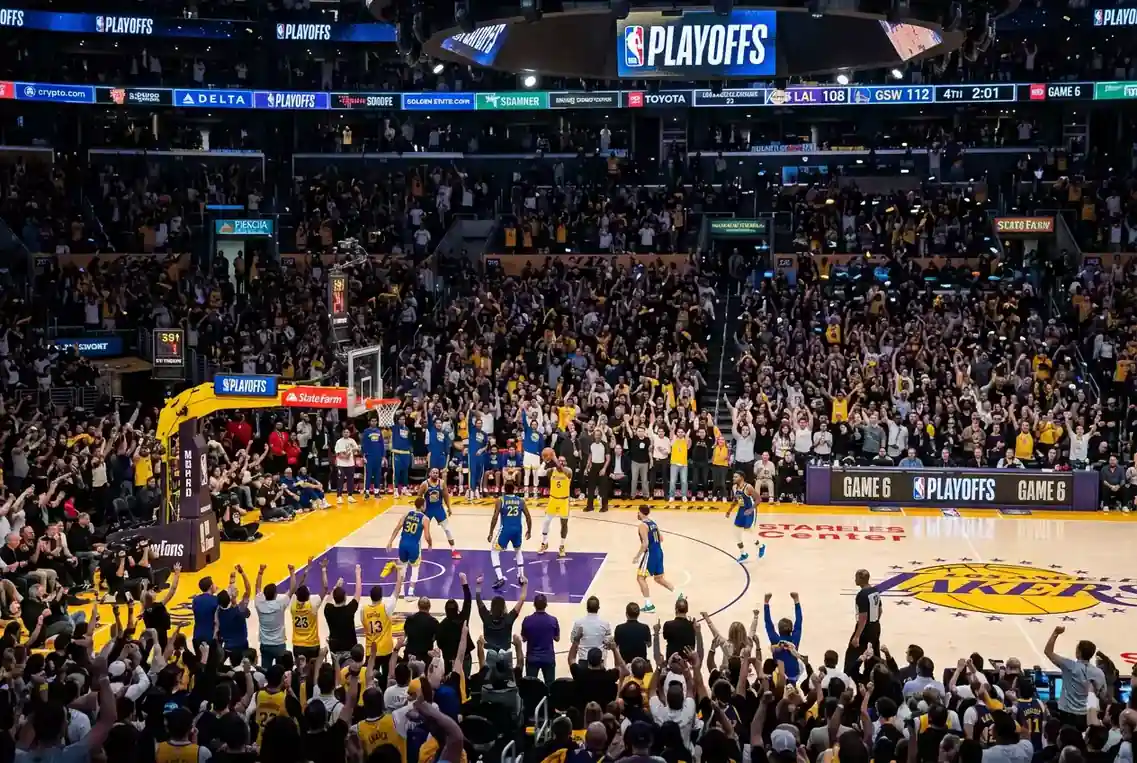
Playoff Basketball Is a Different Sport for Bettors
Every April I reset my models, and I mean that literally. The coefficients that worked during the regular season — back-to-back fatigue, schedule spot advantages, bench depth multipliers — lose most of their predictive power once the postseason arrives. Playoff basketball is a different sport: tighter rotations, star-driven minutes, scheme-specific game plans, and an intensity level that the regular season only hints at. If you carry your November-to-March framework into the playoffs without adjustment, you will bleed units.
NBA favourites win 67.98% of regular-season games outright, but that number shifts in the playoffs because the matchups are repeated across a seven-game series. By game three or four, both coaching staffs have made adjustments, and the team with superior talent and depth usually asserts control. First-round upsets happen, but they are rarer than the public expects — the format is designed to reward the better team, and the spread market reflects that with shorter series prices for higher seeds.
For UK punters, the playoffs also shift the schedule into friendlier time zones. Weekend games often tip off earlier — 8pm or 9pm Eastern, which is 1am or 2am GMT — and the reduced number of games per night means you can focus your analysis rather than spreading attention across a dozen contests.
How Seven-Game Series Alter Spread and Totals Lines
The biggest structural change in playoff betting is that bookmakers price individual games within the context of a series. A team that lost game one at home is priced differently in game two than an identical team would be during the regular season, because the market incorporates series-level dynamics: urgency, coaching adjustments, and the psychological pressure of falling behind.
I have tracked a pattern over the last five playoff cycles that holds up well: game two of a series, after the home team lost game one, tends to produce a tighter spread than the regular-season matchup would suggest. The losing team adjusts, the urgency spikes, and the result is often closer than the market expects. I lean towards the game-one loser in game two, particularly when the spread has not tightened enough to reflect the adjustment. The effect is most pronounced in the first round, where teams are still feeling each other out and a single game of film provides significant new information to the coaching staff.
Totals behave differently in the playoffs too. The general trend is towards lower scoring as the series progresses, because defensive game plans get more specific with each game. By games five, six and seven, both teams have seen every offensive set the opponent runs, and the half-court possessions become grinding affairs. I apply a cumulative discount of roughly 1 to 2 points to my projected total for each successive game in a series that reaches six or seven. The public tends to anchor on the early-game scoring, which often overstates what will happen when both sides have fully scouted each other.
Tighter Rotations, Star Minutes and Prop Implications
During the regular season, NBA coaches use eight or nine players. In the playoffs, that shrinks to seven or eight, and in close-out games sometimes six. García and colleagues’ research showing an effect size of -1.27 in performance decline across quarters takes on new meaning here: star players logging 40-plus minutes in a playoff game are subject to the same fatigue dynamics, but the stakes are high enough that coaches accept the risk.
For prop bettors, this creates a specific opportunity. Star players’ minutes increase by 3 to 5 per game in the playoffs compared with the regular season, and their counting stats — points, rebounds, assists — scale proportionally. If a bookmaker sets a playoff prop line based on regular-season averages without adjusting for the minutes bump, the over is underpriced. I check each player’s regular-season minutes against their expected playoff minutes and adjust my prop projections accordingly.
The flip side applies to bench players. Rotation compression means that a bench scorer who averaged 25 minutes during the season might play 12 in the playoffs. His points prop, if the bookmaker has not adjusted downward enough, becomes an under play. These bench-player props are less liquid and less closely watched, which is exactly why they offer the most consistent mispricing.
Home Court Advantage Amplifies in the Postseason
I wrote earlier about home-court advantage shrinking during the regular season, and that is true. But the playoffs reverse the trend. Arenas are louder, atmospheres are more intense, and the crowd factor that has diminished during regular-season games returns with force when the stakes escalate.
Dan Spillane’s emphasis on protecting game integrity and public confidence in the league extends to the playoff environment, where the NBA invests heavily in game presentation and crowd experience. The result is a home-court advantage in the playoffs that is measurably larger than the regular-season figure. I add roughly half a point to a full point to my home-court adjustment for playoff games, scaling up further for games five through seven where the pressure and atmosphere peak.
For UK bettors, this means playoff home underdogs deserve extra attention. A home underdog in a playoff series — particularly in games three or four when the series shifts venue — is getting the benefit of the amplified home-court effect on top of the points the spread is already giving them. These spots are infrequent, which is part of why they remain underpriced. I wait all season for them and bet them with conviction when they appear.
The practical workflow for playoff betting is simpler than the regular season because the volume is lower. Instead of scanning twelve games a night, you are analysing two or three. Use that focus to go deeper: watch film from earlier games in the series, track how coaching adjustments have altered offensive and defensive schemes, and recalibrate your numbers after each game rather than relying on pre-series projections. The futures hedging strategies I discussed elsewhere are also most relevant during this stretch.
How do NBA playoff betting odds differ from regular season?
Playoff odds reflect tighter rotations, higher star-player minutes, series-level adjustments and amplified home-court advantage. Spreads tend to be narrower as teams are more evenly matched, and totals generally decline as the series progresses due to increasingly specific defensive game plans. The market also prices individual games within the context of the series result, incorporating urgency and momentum factors.
Are NBA playoff unders more profitable than regular-season unders?
Playoff games trend toward lower scoring as series progress, because defensive schemes become more targeted with each successive game. The under has historically performed well in games five through seven of competitive series. However, first-round mismatches can produce high-scoring blowouts that push totals over. The key is distinguishing between competitive series and lopsided matchups.
Written by the editors at Betting Tips nba.